Helping equipment dealerships strengthen the operational systems that protect revenue, reduce friction, and keep every department moving in the same direction.
Operational Clarity
Eliminate the breakdowns slowing your team down
Process Discipline
Build workflows your whole dealership can rely on
Execution That Sticks
Turn structure into measurable, lasting results
When the Machine Runs Right, Everything Runs Right
Equipment dealerships run on tight margins, complex inventory, demanding customers, and teams stretched across sales, service, parts, and rental. When any one of those pieces falls out of alignment, the whole operation feels it - in delayed deals, missed service windows, billing errors, and frustrated staff.
Altieri Operations & Process Consulting works exclusively with equipment dealerships to identify the structural gaps that create those breakdowns - and build practical, sustainable systems to fix them. No generic playbooks. No overhead-heavy engagements. Just clear-eyed analysis and real-world solutions that work on the dealership floor.
What We Work On
Every engagement focuses on the operational systems that directly affect your dealership’s revenue, customer experience, and team performance.
-
Dealerships are full of processes that evolved by accident - workarounds that became habits, handoffs that nobody officially owns. We map how work actually flows across your service department, parts counter, sales team, and back office, then identify the friction points causing delays, errors, and dropped balls. The result is a clear, stabilized workflow your team can actually follow - and your leadership can actually see.
-
In equipment dealerships, documentation isn’t just paperwork - it’s how you get paid, stay protected, and keep OEM relationships intact. We review your contract flow, deal jacket processes, warranty submission consistency, and ERP/DMS integration to identify gaps that create revenue risk or compliance exposure. Then we build the controls to close them.
-
The handoff between sales, service, parts, and finance is where most dealership breakdowns happen. A sold unit sits waiting for a PDI. A service job stalls because parts weren’t ordered. A billing dispute surfaces three weeks after the deal closed. We define clear responsibility checkpoints across departments, reduce internal escalation, and build communication pathways that keep deals and jobs moving from start to finish.
-
If it isn’t documented, it isn’t a process - it’s just someone’s habit. We develop practical, field-ready standard operating procedures for your dealership’s most critical workflows: service write-ups, parts ordering, rental check-in/out, PDI, deal flow, and more. Built to be used by real teams, not filed in a binder and forgotten.

Who We Serve
Built for Equipment Dealerships
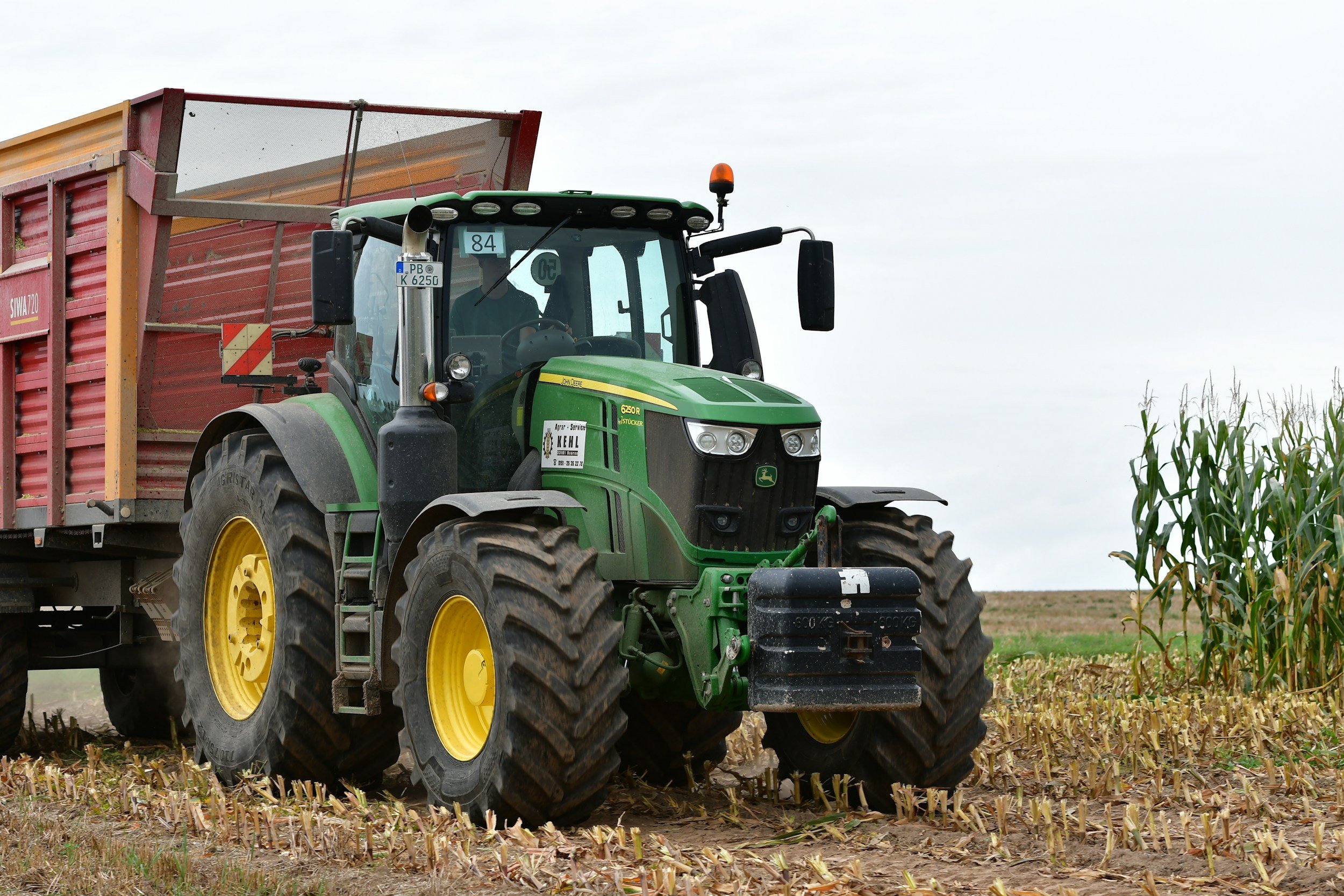
Altieri Operations & Process Consulting works exclusively with equipment dealerships — the businesses that sell, service, rent, and support the machines that keep industries moving.
That includes:
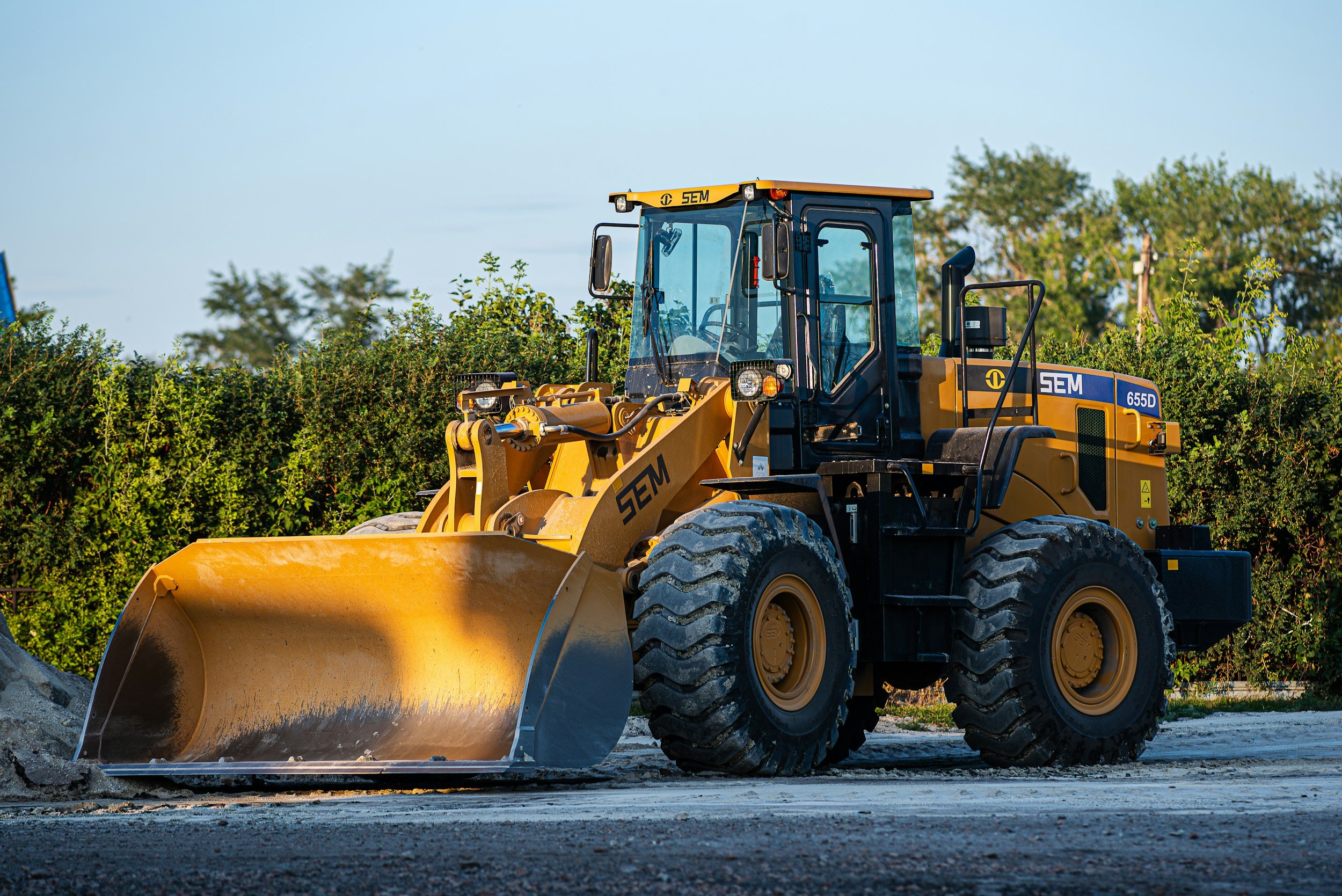
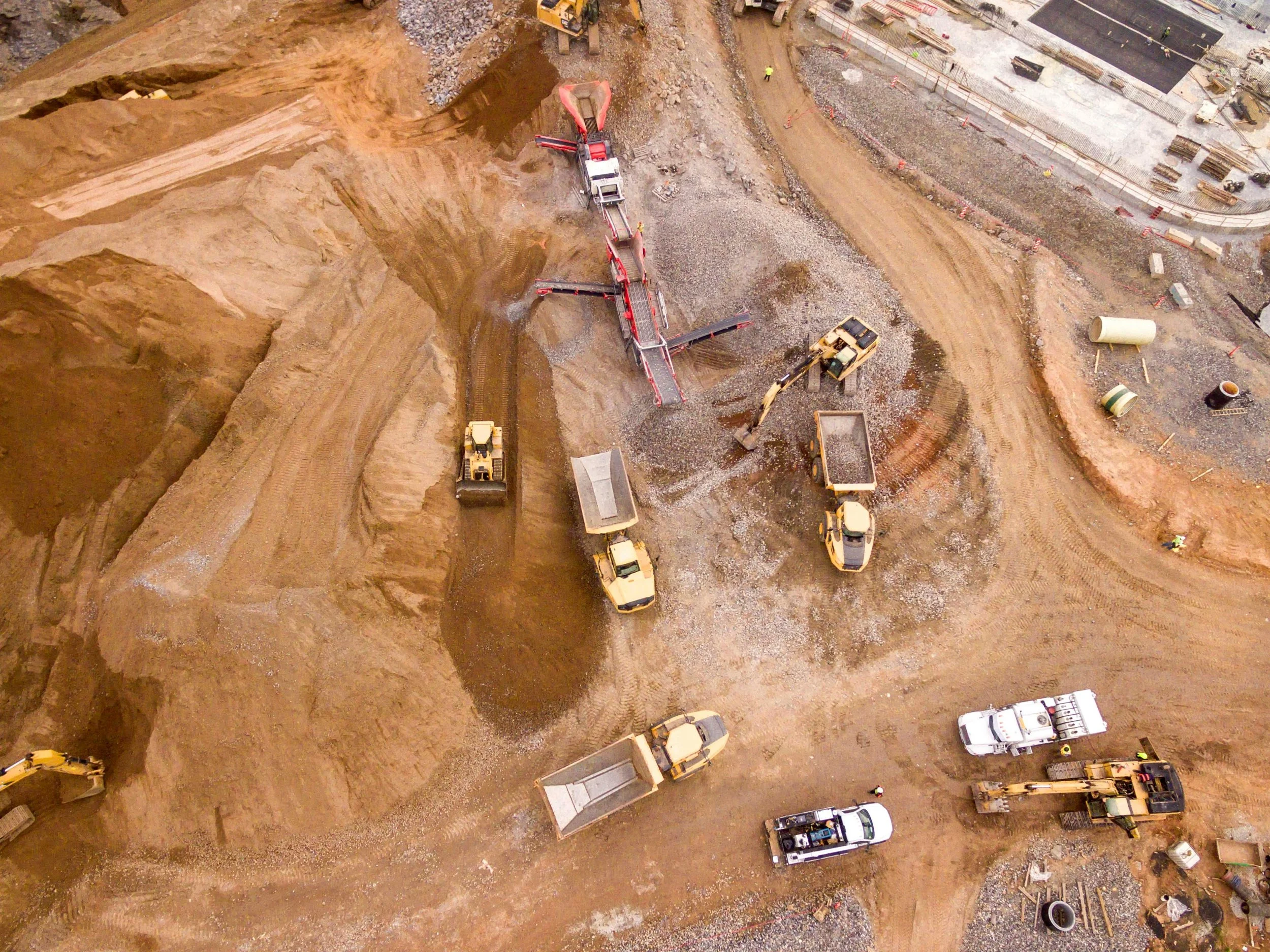
Construction equipment dealers — excavators, loaders, graders, compactors
Agricultural equipment dealers — tractors, combines, tillage, precision ag
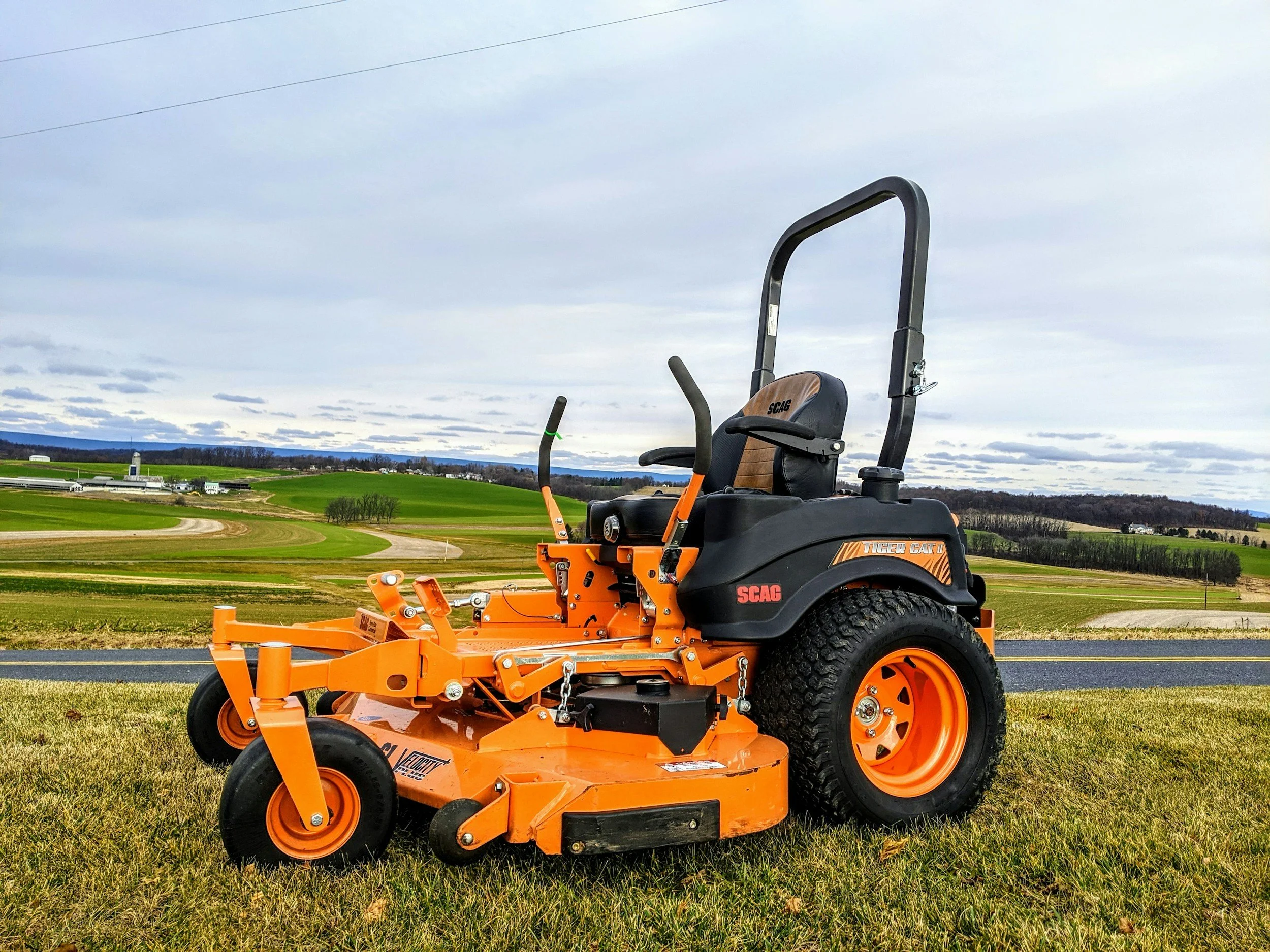
Outdoor power & lawn equipment dealers — commercial and consumer lines
Industrial equipment dealers — forklifts, material handling, fleet operations
If your business runs on a DMS, manages OEM warranty relationships, juggles a parts counter and a service department, and deals with the constant tension between sales velocity and operational detail — this work was built for you.
The machines are different. The challenges rarely are.
Sound Familiar?
Dealerships often reach out when they start seeing patterns like these:
Sales, service, or parts teams are working off different expectations - and blaming each other for it
Deal-to-delivery timelines are inconsistent and nobody can explain exactly why
Technicians are busy but the service department still feels behind
Warranty submissions, deal jackets, or billing are delayed or incomplete more often than they should be
OEM reviews or audits surface documentation gaps that keep reappearing
New hires take too long to get up to speed because “how we do things’ lives in people’s heads
Leadership lacks real visibility into where jobs and deals actually stand
Good employees are leaving - not because of pay, but because of daily frustration
What People Say
Don't take our word for it — here's what colleagues and clients have to say about working with Claudine
"Claudine has an innate ability to analyze, refine, and improve departmental procedures. Her intuitive understanding of operational dynamics enabled her to identify what was working, what was not, and what changes were needed to strengthen overall processes." — Catherine Elliott, Elliott & Frantz, Inc. (Direct Manager, 10+ years)
"Claudine consistently demonstrated strong operational insight and exceptional attention to detail. She has a natural ability to identify inefficiencies and implement practical process improvements that help organizations run more smoothly and effectively. Her experience in operations and process improvement makes her a valuable asset to any organization." — Robert Delaney, GT&E (Operations Colleague, Elliott & Frantz)
Real Problems. Real Solutions.
Every engagement starts with listening and ends with systems
that actually work. Here's an example of how we think.
Case Study: Warranty Revenue Slipping Through the Cracks
Client: A multi-location heavy equipment dealership operating across multiple states
The Problem
Warranty claims processing is not the most visible function in a dealership -- but
uncollected warranty revenue adds up fast. This dealership was consistently failing to
receive full manufacturer credit for warranty work it had already completed. The work
was done. The money just wasn't coming in.
What We Found
Discovery began with a root cause analysis across the service, parts, and warranty
departments. What emerged wasn't one problem -- it was twelve. Among the most
significant hurdles:
Technicians didn't know they were on warranty jobs -- so they weren't capturing
the photos, scans, and documentation manufacturers requirePoor work order documentation -- incomplete notes, missing labor hours, required
reports not filed for low-hour machine repairsNo standardized paperwork flow -- job folders sat on service desks with no
follow-through or completion reviewInexperienced warranty administrators -- unfamiliar with vendor portals and
processes, submitting claims with missing or inaccurate information that came back
deniedIneffective inter-department communication -- no clear assignment of who was
responsible for each step of the processParts gaps -- back-ordered parts not tracked or communicated, customer parts
missing, delaying shipping and completionCustomer communication breakdowns -- customers being told work was
'probably' covered, creating expectations the dealership couldn't always meet
The conclusion: 'Warranty claims processing can easily be prone to failure without
proper handling from start to finish.'
What We Built
First, a formal Hurdles in Warranty Claims Processing document -- 12 identified failure
points with context and root causes for each, serving as the foundation for everything
that followed.
Then, a color-coded Warranty Claim Submission Process Flow Chart mapping every
step across five roles: Customer Interaction, Technician, Service Employee, Parts
Employee, and Warranty Administrator. Double lines marked every point where the
dealership should be communicating directly with the customer. Decision points,
escalation paths, and handoff checkpoints were all mapped -- so no step could fall
through the cracks.
Finally, a detailed Action Plan to roll out standardized processes across locations,
including:
A redesigned Service Board with individual file bins per technician and a dedicated
completed-paperwork submission binA tech photo submission process via dedicated location email addresses (job
number required in subject line)A Service Admin review checkpoint -- folders verified for completion before
reaching warranty administrationA Request for Information form to formally flag and track incomplete packets
A Parts Request Bin system to streamline communication between techs and the
parts departmentAssignment of a point person to register machines on manufacturer portals -- a
step that had been regularly missed
The Result
A repeatable, accountable, cross-department process with clearly defined roles,
built-in review checkpoints, and no ambiguity about who owns what -- at every stage
from dispatch to credit received.
The dealership gained full visibility into where claims stood at any moment, and the
structural gaps that had been costing them manufacturer credit were closed.
The machines are different. The challenges rarely are.
Sound familiar? Let's talk. altieri.consulting/contact
Case Study: Bringing Order to the Parts Counter
The Problem
The parts department at a multi-location heavy equipment dealership had a process problem hiding in plain sight. Orders were being entered inconsistently, tax and shipping details were handled differently depending on who was at the counter, returns lacked a standardized flow, and the frustration was building — both for staff and leadership.
How We Approached It
Rather than jumping straight to a solution, the engagement started with methodology. Using a Lean Six Sigma framework — specifically the 5-Whys root cause analysis technique — the team worked backward from the symptoms to identify what was actually breaking down and why. A 5-Whys worksheet was developed as a working tool to guide that discovery process.
What We Built
A comprehensive Parts Department Order Entry Work Flow Chart mapping every step of the process across two order types — Sales and Returns — with clear branching logic for:
Order type selection (Open Account, Credit Card, Cash/C.O.D.)
Header and Ship-To tab completion requirements
State-by-state tax code verification (PA, NJ, DE, MD, VA, WV, DC)
Restocking fee and credit card fee application
A mandatory review checkpoint before any order was completed and printed
A dedicated credit card processing path
No step was left to interpretation. Every decision point had a defined answer.
The Human Side
Process work isn't just about flowcharts — it's about people. Part of this engagement involved bringing a frustrated team member into the solution rather than around her. Acknowledging the problem, validating the frustration, and making her a stakeholder in the fix was as important as the workflow itself.
The Result
A standardized, repeatable parts order entry process that removed ambiguity from the counter, reduced errors, and gave the department a single source of truth for how orders should be handled — every time, by anyone.
The machines are different. The challenges rarely are.
Dealing with something similar? Let's talk.
How We Work Together
Every engagement starts with listening. Dealership operations are specific - and what works for a 3-location construction equipment group doesn't automatically apply to a single point Ag dealer. We take time to understand your environment before recommending anything.
-
A focused conversation to understand your current operational environment, where the friction is, and what’s at stake. No lengthy intake forms - just direct, honest discussion about what’s working and what isn’t.
-
A structured review of how work actually flows through the dealership - across departments, systems, and people. We look at where handoffs break down, where documentation falls short, and where accountability is unclear.
-
We build and implement practical frameworks designed for your specific operation. We don’t hand you a report and walk away - we work alongside your team to make sure new processes are understood, adopted, and sustained after the engagement ends.
What Changes When the Operation Is Built Right
Dealerships that strengthen their operational structure typically experience:
Faster, more predictable deal-to-delivery cycles
Service departments that run on process, not firefighting
Cleaner documentation and fewer billing or warranty disputes
Departments that coordinate instead of compete
Managers who have real visibility - not just a feeling - of where things stand
New employees who ramp faster because there’s a clear way of doing things
Less employee frustration and stronger staff retention
An operation that can grow without falling apart under the weight of it
Your Questions, Answered
-
Yes — and often the best time to build strong systems is before something breaks. Many engagements start not from crisis but from a leadership team that knows things could be tighter and wants to get ahead of it.
-
Single-location independents up to multi-location regional groups. The problems scale differently but they rhyme — and the solutions are always built to fit your actual operation, not a template.
-
It depends on scope. Some engagements are focused — one department, one process, four to six weeks. Others are broader and ongoing. Every engagement starts with a discovery conversation so we can scope it honestly.
-
Both. Recommendations without implementation support are just expensive advice. Where it makes sense, we stay involved through rollout to make sure the work actually lands.
-
Yes. The goal is never to rip and replace — it's to make what you already have work better. Whether you're running a major DMS platform or a patchwork of spreadsheets, we start with what's there.
-
Usually what didn't stick was a solution that was built without enough understanding of how the team actually works. We spend real time in discovery before recommending anything — and we build for adoption, not just for theory.
Meet the Founder
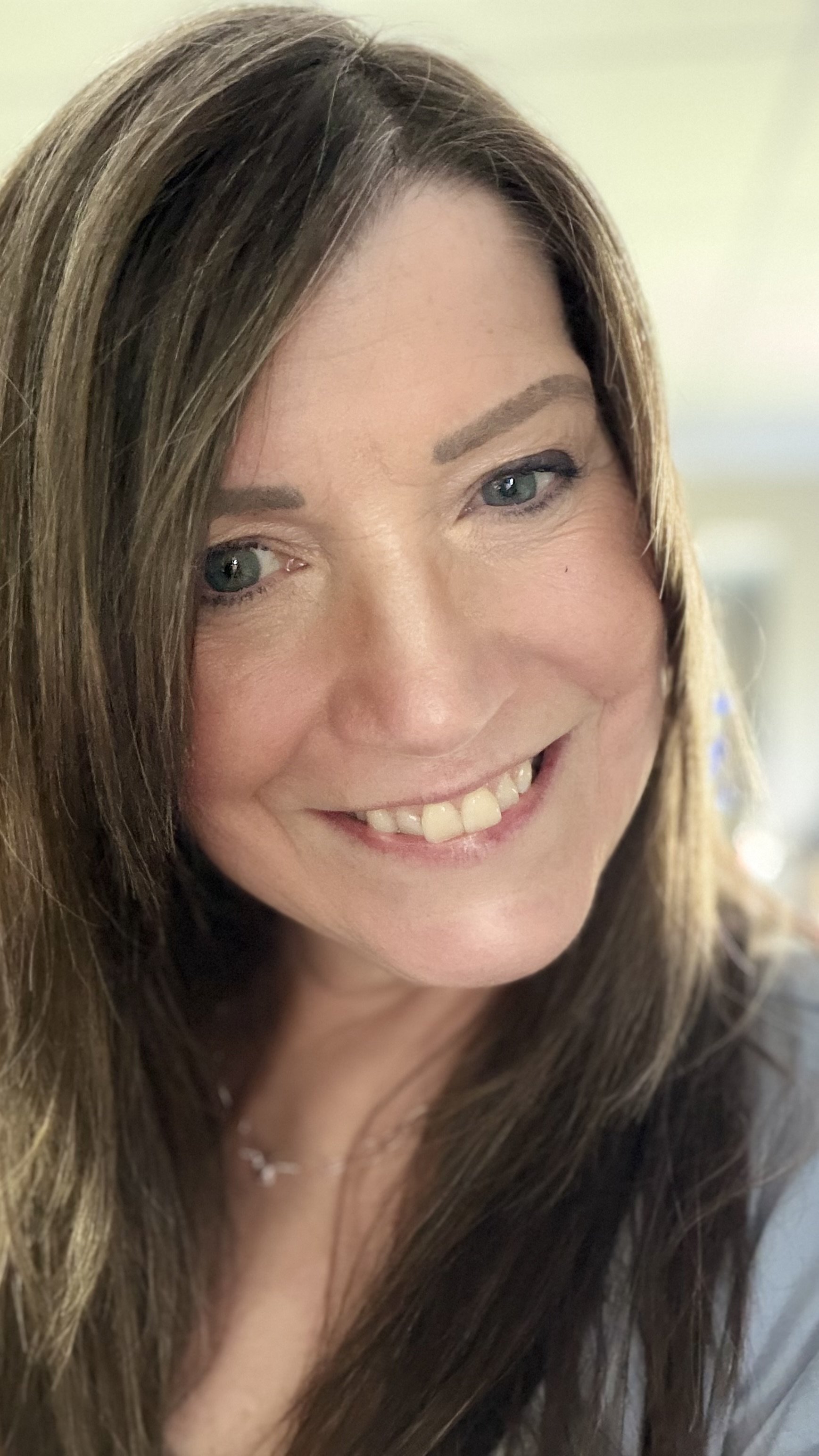
Hi, I'm Claudine Altieri — an operations consultant based in Malvern, PA, and I work exclusively with equipment dealerships.
My path to consulting wasn't a straight line — it was built one friction point at a time.
I spent nearly a decade as an Operations Manager inside a five-location, multi-state equipment dealership. That meant working shoulder-to-shoulder with parts and service teams, sales and sales support, warranty submission, accounting, and OEM equipment companies — every day, across every department. When process breakdowns surfaced (and they always do), I didn't just document them. I sat with the teams, listened carefully, identified where the friction was actually coming from, and worked with them to build practical, sustainable solutions that stuck.
Before that, I spent close to eight years in the automotive repair industry as a tire sales manager and service manager across four different companies. Every role was customer-facing, and every role reinforced the same truth: the problems that hurt dealerships — miscommunication between departments, inconsistent documentation, unclear accountability — are the same problems regardless of what's on the lot.
That background gives me something most consultants don't have: I've lived inside the operation. I know what a service writer is dealing with at 7am. I know how a parts delay ripples into a missed delivery. I know what it feels like when a warranty submission falls through the cracks and nobody knows whose responsibility it was.
What a lot of people don't know: before all of that, I ran my own business for nearly ten years. I know what it feels like to be the one responsible for everything — the customers, the team, the processes, and the bottom line. That perspective doesn't leave you.
Making a difference has always been a core principle in my life. Operational consulting lets me do exactly that — one dealership at a time.
Geography & Service Area
Based in Malvern, PA. Available where you need us.
Altieri Operations & Process Consulting is headquartered in Malvern, Pennsylvania, in the heart of the Mid-Atlantic region. We work with dealerships on-site, remotely, or a combination of both — depending on what the engagement calls for.
On-site work is available across the Mid-Atlantic and beyond. If the problem is real and the fit is right, geography isn't the obstacle.
Not sure if we can make it work? Let's find out.

Let's Talk About What's Slowing Your Dealership Down
The first conversation is straightforward — you tell me where things feel broken, I ask the right questions, and we figure out together if there's a fit. No pressure, no lengthy intake process. Just an honest discussion about your operation.
About
Altieri Operations & Process Consulting is an operations consulting firm working exclusively with equipment dealerships - from heavy construction and machinery dealers to ag, outdoor power, and industrial equipment dealers.
Founded by Claudine Altieri — a former Operations Manager with nearly a decade of experience inside a multi-location equipment dealership — the firm was built on one simple belief: dealerships deserve consulting from someone who has actually worked the floor.
Every engagement is grounded in real-world dealership experience, practical problem-solving, and a genuine commitment to building systems that your team will actually use. We don't do generic frameworks or one-size-fits-all solutions. We do the work, alongside your people, until the operation runs the way it should.